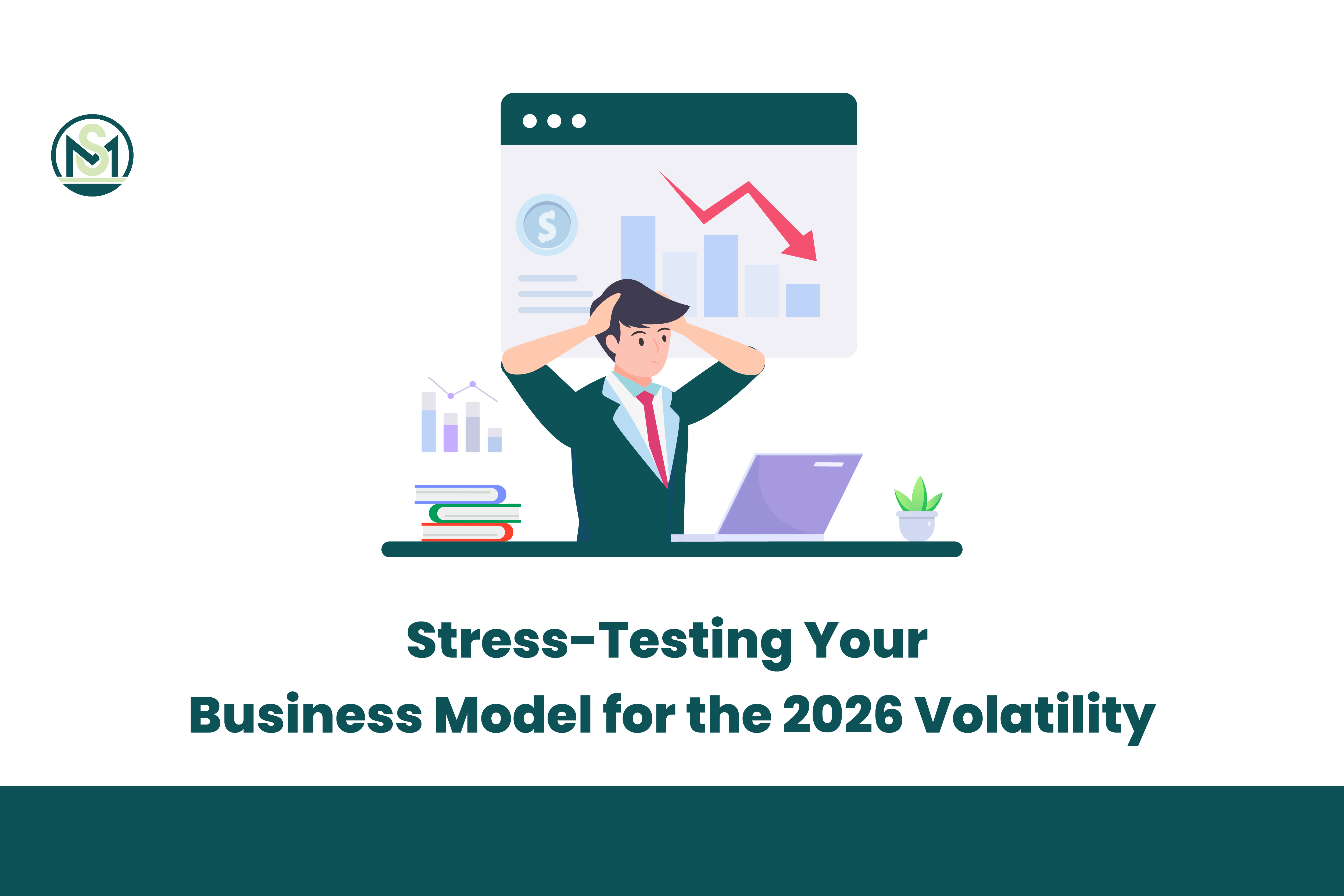
The next few years will not reward businesses that rely solely on optimism. Markets are moving faster, customer behavior is shifting without warning, and global events are reshaping supply chains overnight. In this environment, Stress-Testing is no longer a technical exercise reserved for banks or large corporations. It has become a practical survival tool for every serious business.
Stress-Testing helps you answer uncomfortable but necessary questions: What happens if revenue drops suddenly? What if costs spike? What if a key market disappears for six months? Businesses that ask these questions early are the ones that stay standing when volatility hits. Those who don’t usually learn the answers the hard way.
In this guide, we will break down stress-testing in simple, practical terms. No jargon. No theory-heavy models. Just real-world thinking to help you prepare your business for the uncertainty that 2026 is already signaling.
Why 2026 Will Be a Year of Volatility for Businesses?
Before discussing frameworks and tools, it is important to understand why volatility is expected to intensify. The 2026 economic outlook for businesses points to a mix of pressures arriving at the same time rather than a single isolated shock.
Interest rates remain unpredictable, inflation has not fully stabilized, and geopolitical tensions continue to disrupt trade routes and energy markets. On top of that, technology is moving faster than most business models can adapt, while customers are becoming more price-sensitive and less loyal.
This is why economic volatility planning is now a board-level conversation. Businesses are realizing that growth plans built on best-case assumptions are fragile. Stress-Testing forces you to plan for reality, not hope.
What Stress-Testing Really Means
At its core, Stress-Testing means deliberately putting pressure on your business model to see where it breaks.
It is not about predicting the future perfectly. It is about preparing for ranges of outcomes. Strong businesses are not those that avoid shocks; they are those built to absorb them.
When done properly, business model stress testing examines:
- Revenue sensitivity to market changes
- Cost behavior under pressure
- Cash flow endurance
- Operational bottlenecks
- Decision-making speed under stress
This process is essential for business model resilience 2026, where flexibility and adaptability will matter more than scale alone.
The Difference Between Forecasting and Stress-Testing
Many businesses confuse forecasting with Stress-Testing. Forecasting assumes things go roughly as planned. Stress-Testing assumes they don’t.
- A forecast answers: Where will we be if everything works?
- Stress-Testing answers: What happens if it doesn’t?
This shift in mindset is critical for strategic planning under uncertainty. Forecasts look forward in a straight line. Stress-Testing looks sideways, backward, and downward.
Step 1: Identify Your Core Risk Exposures
Effective enterprise risk assessment starts with honesty. Every business has weak points, even if they are not visible during good times.
Common exposure areas include:
- Overdependence on one customer or supplier
- Thin margins are vulnerable to cost inflation
- High fixed costs with volatile revenue
- Currency exposure in international trade
- Heavy reliance on digital platforms
This stage is a fundamental part of business risk assessment 2026, because risks today are more interconnected than before. A disruption in one area quickly spills into others.
Step 2: Build Realistic Stress Scenarios for 2026
Stress-Testing works best when scenarios feel uncomfortable but plausible. This is where scenario planning for 2026 becomes powerful.
Examples of realistic scenarios:
- A 20% revenue decline lasting six months
- Input costs rising faster than pricing power
- Delayed customer payments are increasing working capital pressure
- Regulatory changes affecting your industry
- Sudden loss of a key digital channel
These scenarios support volatility risk management by allowing leadership teams to rehearse responses before the pressure is real.
Step 3: Test Financial Strength Under Pressure
One of the most critical elements is the financial stress-testing strategy. Many businesses fail not because they are unprofitable, but because they run out of cash at the wrong moment.
Stress-Testing should examine:
- Cash burn under reduced revenue
- Debt servicing capacity under higher rates
- Liquidity buffers during prolonged disruption
- Access to emergency funding
This is closely linked to financial stress testing strategies that ensure your business can survive long enough to adapt.
Step 4: Assess Operational Resilience, Not Just Numbers
Numbers alone don’t tell the full story. Operational resilience planning focuses on whether your business can continue delivering under stress.
Questions to ask:
- Can your operations scale down quickly without chaos?
- Are your systems flexible or rigid?
- Do you rely on single points of failure?
This connects directly to business continuity planning, which ensures your business continues to function even when plans fail.
Step 5: Adapt the Business Model, Not Just Cut Costs
Stress-Testing is not about panic-driven cost-cutting. It is about business model adaptation strategies that strengthen long-term survival.
Adaptation may involve:
- Diversifying revenue streams
- Repricing or repackaging offerings
- Redesigning supply chains
- Shifting to variable cost structures
This is how businesses move from survival to strength, reinforcing business sustainability strategies in volatile markets.
Managing Uncertainty as a Leadership Skill
Volatility exposes leadership gaps quickly. Managing uncertainty in business is not just analytical; it is behavioral.
Strong leaders:
- Communicate transparently
- Make decisions with incomplete information
- Adjust strategies without ego
- Empower teams during ambiguity
This mindset supports corporate risk management frameworks that balance control with flexibility.
Digital, AI, and ESG Risks Cannot Be Ignored
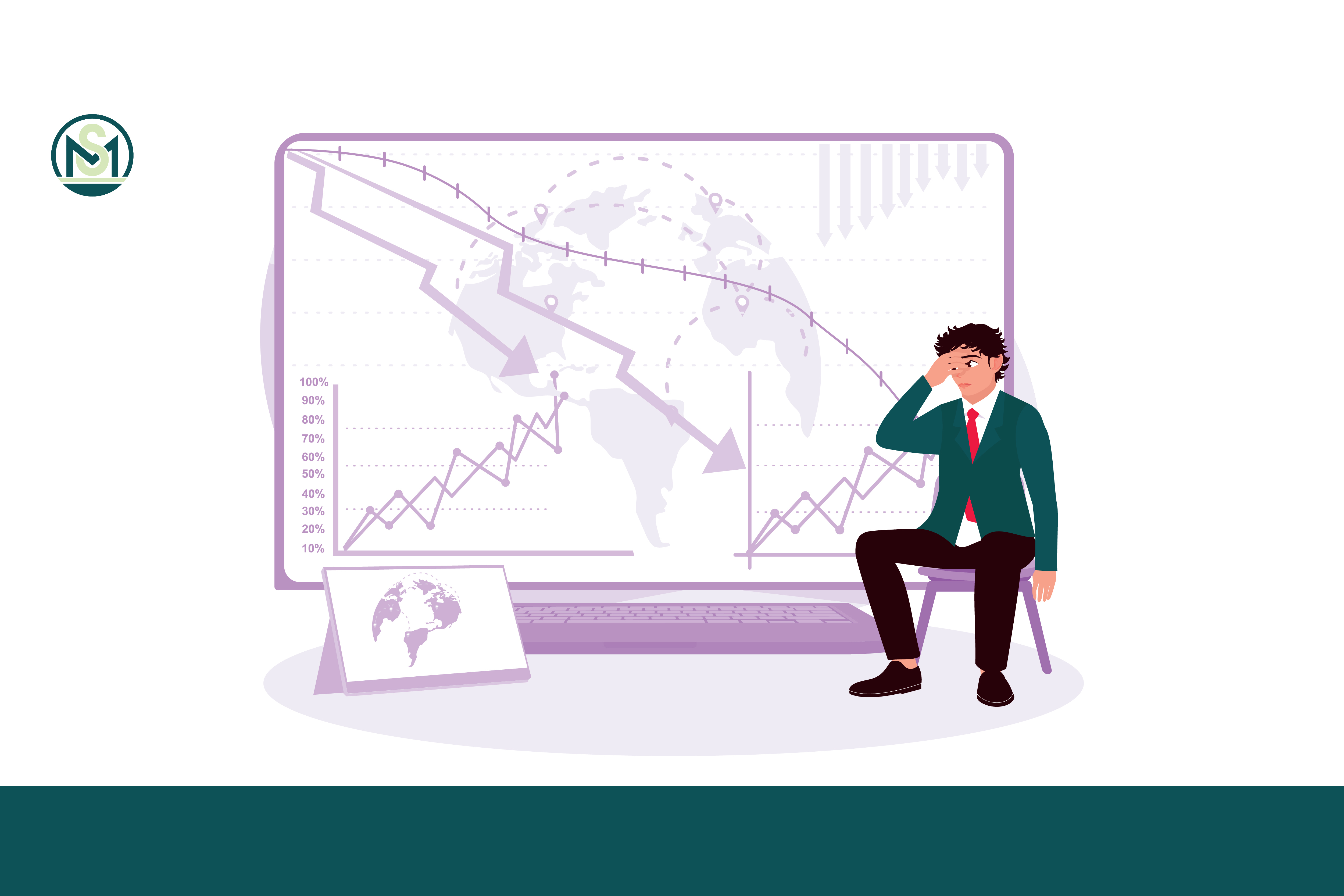
Modern Stress-Testing must go beyond traditional finance.
AI and data-driven stress testing help model complex scenarios faster and with more depth.
Digital transformation risk management ensures technology upgrades do not create hidden dependencies.
ESG risk and business resilience address environmental, social, and governance risks that increasingly affect access to capital and reputation.
Together, these dimensions shape future-proof business models capable of absorbing multiple shocks at once.
Global Volatility Is Now a Local Problem
Global events no longer stay global. The global market volatility is impacting local businesses faster than ever through currency shifts, supply delays, and changes in consumer sentiment.
This is why preparing businesses for market volatility is no longer optional. Stress-Testing helps you understand how external shocks ripple through your specific business model.
Stress-Testing as a Continuous Process, Not a One-Time Exercise
The biggest mistake companies make is treating Stress-Testing as a one-off project. In reality, it should evolve with your business.
Markets change. Assumptions expire. New risks emerge.
Continuous strategic stress testing ensures your business stays relevant and responsive, not reactive.
Stress-Testing Decision-Making Under Pressure
One area many businesses overlook during Stress-Testing is decision-making itself. On paper, strategies look solid. In real volatility, decisions are made under stress, time pressure, and incomplete information. That is where even strong business models can stumble.
Ask yourself honestly: How fast can my leadership team decide when numbers turn negative? Who has authority when plans fail? Do approvals slow us down when speed matters most?
Effective strategic stress testing includes simulating leadership responses, not just financial outcomes. If a sudden market shock occurs, delays in decision-making can cause more damage than the shock itself. Businesses that rehearse decisions during stress scenarios reduce panic and improve execution when volatility hits.
Stress-Testing Customer Behavior, Not Just Revenue
Revenue numbers mask an important truth: customers behave differently in times of uncertainty. Stress-Testing must go deeper than top-line declines.
During volatility, customers may:
- Delay purchasing decisions
- Shift to cheaper alternatives
- Negotiate harder on pricing
- Reduce long-term commitments
This is where preparing businesses for market volatility becomes practical. Test what happens if customer acquisition slows, churn increases, or payment cycles extend. These behavioral shifts directly affect cash flow, inventory planning, and staffing needs.
Understanding these patterns strengthens business model resilience in 2026, because resilience comes from adapting to how customers actually behave, not how you hope they will.
Stress-Testing Your Cost Structure for Hidden Rigidity
Many businesses believe their costs are flexible until they try to reduce them. Stress-Testing exposes which expenses are truly adjustable and which are locked in.
Hidden rigidities often include:
- Long-term leases
- Fixed payroll structures
- Vendor contracts with penalties
- Technology subscriptions that scale poorly
This exercise supports companies’ risk mitigation strategies by highlighting where flexibility must be built before a downturn. Businesses that redesign cost structures early gain breathing room when volatility compresses margins.
The Role of Cash Flow Timing in Stress-Testing
Profitability does not guarantee survival. Timing matters more than totals. Stress-Testing should focus on when cash moves, not just how much.
Consider scenarios where:
- Customers pay later than expected
- Suppliers demand faster payment
- Inventory sits longer before converting to cash
These tests are central to volatility risk management and financial stress-testing strategies because most failures result from timing mismatches, not long-term unviability.
Businesses that understand their cash flow under stress can negotiate better terms, adjust pricing strategies, and protect liquidity.
Stress-Testing Your Supply Chain and Dependencies
Modern supply chains are efficient but fragile. Stress-Testing should identify dependency risks across logistics, sourcing, and technology providers.
Key questions include:
- What happens if one supplier fails?
- How quickly can alternatives be activated?
- Are digital platforms creating single points of failure?
This analysis feeds directly into business continuity planning and operational resilience planning, ensuring that disruption in one area does not shut down the entire operation.
Aligning Stress-Testing With Long-Term Strategy
Stress-Testing is not a pessimistic exercise. Done properly, it strengthens long-term strategy. Businesses that understand their breaking points can design growth plans that are realistic and durable.
This alignment is critical for strategic planning under uncertainty. Growth initiatives should be tested under adverse conditions, not just optimistic assumptions. If a growth plan only works when everything goes right, it is not a strategy; it is a gamble.
Stress-Testing Culture and Talent Retention
Volatility does not only test numbers. It tests people. Stress-Testing should include workforce scenarios to understand how talent retention, morale, and productivity respond to pressure.
Ask:
- Can the organization absorb workload shifts?
- Are critical roles backed up?
- How does communication flow during stress?
This human dimension is essential for business sustainability strategies, because people determine whether plans succeed or collapse under pressure.
Integrating Risk Thinking Into Daily Operations
The strongest businesses embed Stress-Testing logic into everyday decision-making. Instead of treating risk as an annual review, they ask simple questions regularly:
- What could go wrong here?
- How exposed are we if it does?
- What is our fastest response?
This mindset supports enterprise risk assessment and strengthens corporate risk management frameworks without slowing innovation.
Stress-Testing for Technology and Data Dependence
As businesses rely more on digital systems, Stress-Testing must include technology risk. System outages, data integrity issues, and cybersecurity incidents can disrupt operations instantly.
This connects to digital transformation risk management and AI and data-driven stress testing, where scenario modeling helps identify vulnerabilities in automation, analytics, and system integration.
Technology should increase resilience, not create new fragility.
Using Stress-Testing to Build Confidence, Not Fear
The goal of Stress-Testing is not to create anxiety. It is to replace uncertainty with preparedness. Businesses that have stress-tested their models make decisions with clarity, even in unstable environments.
They know:
- Where they are exposed
- How long can they endure pressure
- Which levers to pull first
This confidence becomes a competitive advantage during the 2026 economic outlook for businesses, when hesitation will cost market share.
How Msafdar Can Help You Stress-Test with Confidence
At Msafdar, we work with business owners, CFOs, and leadership teams to turn stress-testing into a practical decision-making tool.
We help you:
- Identify hidden vulnerabilities in your business model
- Design realistic stress scenarios aligned with 2026 risks
- Strengthen cash flow and capital resilience
- Align risk management with growth strategy
- Build adaptable, future-ready business models
Our approach is grounded in real business realities, not generic templates. The goal is clarity, confidence, and control in uncertain times.
FAQs
What is Stress-Testing in simple terms?
It is a way to test how your business performs under difficult but realistic conditions before those conditions happen.
Is stress-testing only for large companies?
No. Small and medium businesses often benefit the most because they are more exposed to sudden shocks.
How often should a business stress test its model?
At least annually, and whenever there is a major market, financial, or strategic change.
Does Stress-Testing stop risk completely?
No, but it reduces surprises and improves decision-making when risks materialize.
Can Stress-Testing support growth, not just survival?
Yes. Businesses that understand their limits grow more confidently and sustainably.