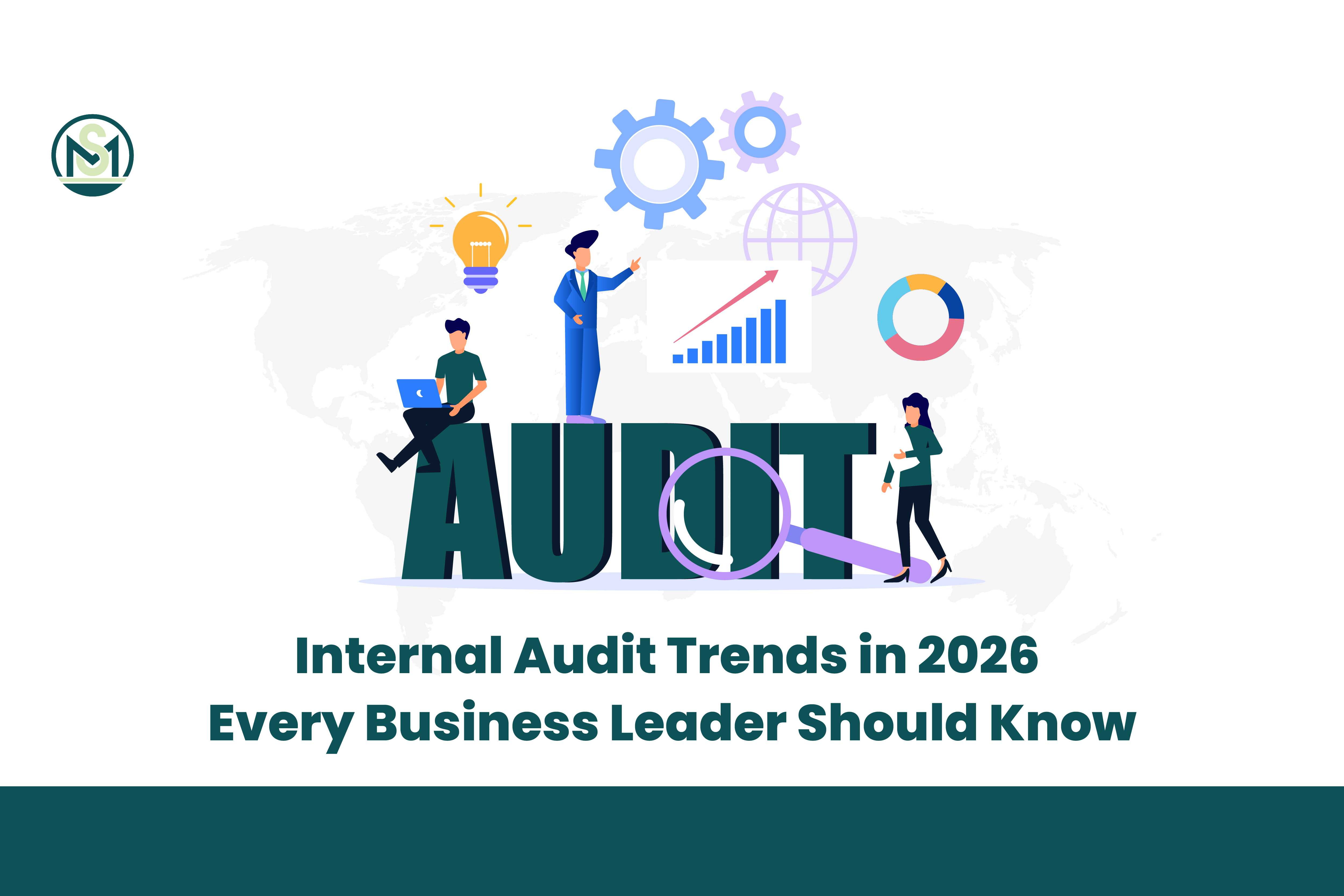
As we move towards 2026, the landscape of internal audit is evolving rapidly. Business leaders need to be proactive in understanding these trends to stay ahead of the curve and ensure their organizations remain compliant, efficient, and resilient. Internal audit has always been a critical component of any business’s governance framework, but the way it operates is shifting in response to advancements in technology, changing regulations, and the increasing complexity of business environments. From new internal audit best practices to the rise of internal audit advisory, 2026 will see significant changes in how businesses approach internal controls, risk management, and compliance.
In this article, we will dive into the key internal audit trends that every business leader should be aware of in 2026, providing insights into the shifting role of internal audit teams, the skills required for internal audit jobs, and the evolving expectations from auditors in today’s business landscape.
The Evolution of Internal Audit in 2026
Internal audit is no longer just about examining financial statements and compliance issues. In 2026, internal audit is becoming more integrated with strategic planning and decision-making processes, making it an essential function for business leaders across all industries. With the increasing complexity of global business operations, internal audit is being recognized for its role in ensuring effective governance, managing risks, and driving business performance.
Internal Audit as a Strategic Function
Traditionally, internal audit was seen as a “back-office” function, primarily responsible for identifying fraud, errors, and inefficiencies. However, the function is becoming increasingly strategic in nature. Internal audit now plays a key role in assessing and advising on governance, risk, and compliance across an organization. Rather than simply looking for mistakes or inefficiencies, internal auditors are now more focused on adding value by identifying opportunities for improvement and ensuring that businesses operate efficiently and effectively.
In 2026, businesses will rely more heavily on internal audit advisory services, where auditors not only provide an assessment of risks and controls but also suggest strategies to improve performance, mitigate risks, and align operations with organizational goals.
Digital Transformation and Internal Audit Technology
One of the most significant trends in internal audit is the integration of advanced technologies. As businesses continue to embrace digital transformation, internal audit functions are following suit by adopting tools such as artificial intelligence (AI), robotic process automation (RPA), and data analytics. These technologies enable auditors to analyze vast amounts of data quickly, identify patterns, and provide more accurate and insightful assessments.
In the past, internal auditors had to manually examine records, contracts, and transactions to identify issues. Now, they can use sophisticated tools to automate many of these processes, significantly improving efficiency and reducing the risk of human error. This shift will allow auditors to focus on higher-level analysis and strategic advisory roles, rather than spending time on routine data collection.
The Rise of Cybersecurity Audits
With the increase in cyber threats and data breaches, internal audit is becoming more involved in evaluating and managing cybersecurity risks. In 2026, organizations will place a stronger emphasis on cybersecurity audits, integrating them into the overall internal audit process. Auditors will be responsible for assessing whether an organization’s cybersecurity policies and controls are adequate and if they comply with international standards.
As businesses increasingly rely on digital platforms and remote workforces, the importance of robust cybersecurity controls cannot be overstated. Auditors will need to stay up-to-date on evolving threats and ensure that businesses are properly protected from cyber risks. Internal audit jobs will require more technical expertise, particularly in IT risk management and cybersecurity, as this area of risk continues to grow.
Focus on Regulatory Compliance and Governance
With the rise in global regulations and the increasing complexity of compliance requirements, internal audit teams will be at the forefront of ensuring that businesses remain compliant with ever-evolving laws and regulations. Regulatory compliance audits will continue to be a key focus for internal auditors in 2026, particularly in industries such as finance, healthcare, and energy.
Auditors will need to understand and implement international standards on auditing and regulatory frameworks across different jurisdictions. This global approach to auditing will be essential as companies expand their operations and face scrutiny from regulators around the world.
Governance, risk, and compliance (GRC) will also be an area of increased focus. In 2026, internal audit teams will be expected to work more closely with boards and audit committees to ensure that governance frameworks are strong, and that organizations are managing their risks effectively. Audit committee support will become increasingly important as the role of internal audit expands.
Internal Audit for SMEs and Listed Companies
The scope of internal audit is expanding beyond large corporations to include small and medium-sized enterprises (SMEs). Many SMEs are beginning to recognize the value of a robust internal audit function in helping them manage risks and ensure compliance with regulatory requirements. In 2026, internal audit for SMEs will become a growing trend, as these businesses look to improve their internal controls and mitigate risks.
On the other hand, internal audit for listed companies will continue to evolve, with auditors being required to provide deeper insights into financial performance, governance practices, and risk management. The role of head of internal audit jobs in Pakistan and around the globe will become more strategic, requiring leaders who can effectively communicate with boards, regulators, and key stakeholders.

Key Skills for Internal Audit Jobs in 2026
As the role of internal audit evolves, the skills required for internal auditors will also shift. Here are some of the key skills that internal audit jobs in Pakistan, and globally, will require in 2026:
Data Analytics and Technology Skills
In 2026, auditors will need to be well-versed in data analytics and technology. The ability to analyze large datasets, use automation tools, and understand complex IT systems will be essential for success in internal audit roles. Auditors who can leverage technology to enhance audit processes will be in high demand.
Risk Management Expertise
Given the increased focus on risk management, internal auditors will need to have a deep understanding of risk management frameworks and be able to identify and mitigate a wide range of risks, from financial risks to operational and cybersecurity risks. Knowledge of governance, risk, and compliance (GRC) frameworks will be crucial.
Communication and Advisory Skills
As internal audit becomes more strategic, auditors will need to develop strong communication and advisory skills. The ability to communicate findings and recommendations clearly and effectively to senior management and board members will be a key factor in driving business improvement. Internal auditors will need to move beyond traditional reporting and take on more of a consultative role.
Regulatory Knowledge
Auditors will need to be up-to-date on international standards on auditing and the regulatory environment in which their organization operates. A solid understanding of regulatory compliance audit and the ability to assess an organization’s adherence to local and international regulations will be essential.
Importance of Internal Audit in 2026
As we move into 2026, internal audit is no longer just about checking financial books or ensuring compliance with regulations; it has become a vital component in driving business performance and sustainability. Business leaders must recognize that the role of internal audit is expanding beyond traditional boundaries. With the increasing complexity of the global business environment, internal auditors are now expected to take on a more proactive role in identifying potential risks, improving internal controls, and enhancing decision-making.
Adapting to New Risks and Challenges
The rapidly changing business environment means that risks are becoming more dynamic and harder to predict. Whether it’s cybersecurity threats, regulatory changes, or even geopolitical events, businesses are facing new types of risks that require a strategic response. Internal audit functions must be equipped to identify these emerging risks early on and help businesses prepare for the unknown. This involves working more closely with key stakeholders, from senior management to the audit committee, and providing them with timely insights on potential risks and the effectiveness of existing controls.
The Need for Skilled Internal Audit Professionals
With these evolving expectations, there is a growing demand for skilled internal audit professionals who can navigate this increasingly complex landscape. In 2026, internal audit jobs will require a combination of technical expertise, strong communication skills, and a deep understanding of the business environment. Professionals will need to stay up-to-date on the latest technologies and regulations while also being able to provide strategic recommendations that drive positive change.
Whether you’re looking for internal audit jobs in Karachi, internal audit jobs in Lahore, or head of internal audit jobs in Pakistan, businesses will be seeking individuals who are equipped to handle the challenges of a rapidly evolving business landscape. The role of auditors will shift from being just watchdogs to becoming strategic partners who help organizations thrive in a complex, risk-laden world.
How Msafdar Can Help with Internal Audit Trends in 2026
At Msafdar & Co., we understand the evolving nature of internal audit and the critical role it plays in today’s business landscape. Whether you’re looking to enhance your internal audit function, strengthen your governance and compliance practices, or improve your risk management processes, we are here to help. Our team of experienced professionals provides expert internal audit advisory services, tailored to meet the unique needs of your business.
We offer support in developing and implementing internal audit best practices, ensuring your organization remains compliant with regulatory requirements, and helping you navigate the complexities of modern internal audit challenges. Let Msafdar & Co. guide you in building a resilient and efficient internal audit framework that supports your business goals.
FAQs
- What is internal audit?
Internal audit refers to an independent, objective assurance and consulting activity designed to add value and improve an organization’s operations. It helps organizations achieve their objectives by evaluating and improving the effectiveness of risk management, control, and governance processes.
- What’s the difference between internal and external audit?
Internal audit is conducted by employees within the organization and focuses on assessing the company’s internal controls, risk management, and compliance. External audit, on the other hand, is performed by independent third parties and typically focuses on verifying the accuracy of financial statements and ensuring they comply with relevant regulations.
- What are the emerging internal audit best practices in 2026?
In 2026, internal audit will become more technology-driven, with an emphasis on data analytics, automation, and cybersecurity audits. Auditors will also play a more strategic role, advising management on risk management and governance, and working closely with the audit committee to enhance overall organizational performance.
- How can Msafdar & Co. assist with internal audit?
Msafdar & Co. offers comprehensive internal audit advisory services, helping businesses improve internal controls, manage risks, and ensure compliance with both local and international regulations. Our team provides expert guidance to strengthen your internal audit framework and optimize its effectiveness.